Fashion Cosmetic PKG Home

Category

Brand Strategy

11 articles

Digging Through the Archive: How Beauty Brands Are Turning Vintage Packaging Into a Growth Strategy

Digging Through the Archive: How Beauty Brands Are Turning Vintage Packaging Into a Growth Strategy

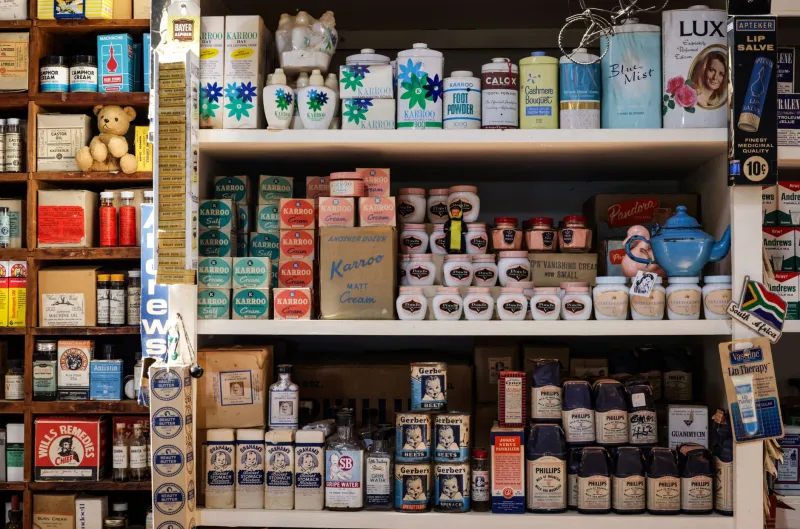
Across the US beauty landscape, a calculated revival of mid-century and late-twentieth-century packaging aesthetics is reshaping how established and emerging brands compete for consumer attention. The strategic logic runs deeper than nostalgia—heritage visual languages carry demographic reach that contemporary minimalism often cannot. Understanding how to distinguish authentic archival homage from surface-level pastiche is becoming one of the defining competencies of modern beauty brand manageme
When the Formula Changes, the Package Must Answer: The Hidden Complexity of Beauty Packaging Redesigns

When the Formula Changes, the Package Must Answer: The Hidden Complexity of Beauty Packaging Redesigns

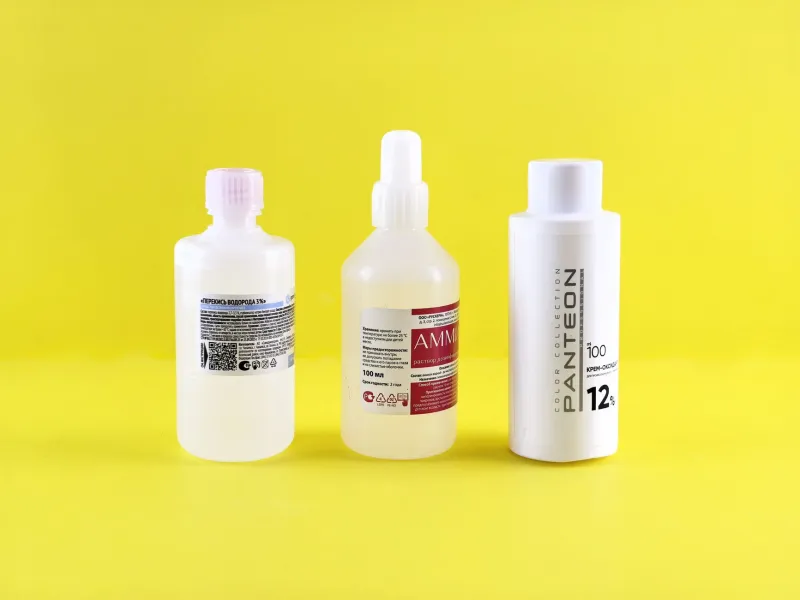
Reformulating a beauty product is rarely simple, but the packaging redesign that must follow is often more complicated than brands anticipate. From supply chain disruptions to consumer trust gaps, the process of aligning new packaging with a genuinely improved formula exposes structural vulnerabilities that brands discover only when they are already committed to the change. This is an examination of what that process actually costs—and what it can reveal.

The Fine Print, Redesigned: How Beauty Brands Are Turning Required Labeling Into a Storytelling Advantage

The Fine Print, Redesigned: How Beauty Brands Are Turning Required Labeling Into a Storytelling Advantage

Ingredient lists and regulatory disclosures have long been treated as the packaging equivalent of terms and conditions—necessary, ignored, and tucked as far out of sight as possible. A growing number of beauty brands are challenging that assumption, discovering that the required information on their packaging is not a design liability but an underused brand asset. The shift is less about aesthetics than it is about trust.

One Country, Many Markets: Why Beauty Packaging That Wins Coasts Can Lose the Country

One Country, Many Markets: Why Beauty Packaging That Wins Coasts Can Lose the Country

The United States is not a single beauty market. It is a collection of regional audiences with distinct aesthetic preferences, cultural reference points, and retail environments that can render the same packaging design wildly successful in one geography and effectively invisible in another. For beauty brands pursuing national distribution, understanding the regional design fault lines within the US market is no longer a secondary consideration—it is a foundational strategic requirement.

The Cost of Getting It Wrong: What Beauty Brands Lose When Packaging Redesigns Communicate the Wrong Message

The Cost of Getting It Wrong: What Beauty Brands Lose When Packaging Redesigns Communicate the Wrong Message

A packaging redesign is never just a visual decision—it is a communication act, and consumers read it with more scrutiny than most brand teams anticipate. When that message is misread, mishandled, or simply mistimed, the consequences extend well beyond aesthetic complaints into territory that touches loyalty, revenue, and long-term brand equity. The beauty industry's recent history offers instructive examples of what happens when design change outpaces consumer trust.

Packaging Built for Everywhere: How the On-the-Go Beauty Routine Is Rewriting Product Design from the Outside In

Packaging Built for Everywhere: How the On-the-Go Beauty Routine Is Rewriting Product Design from the Outside In

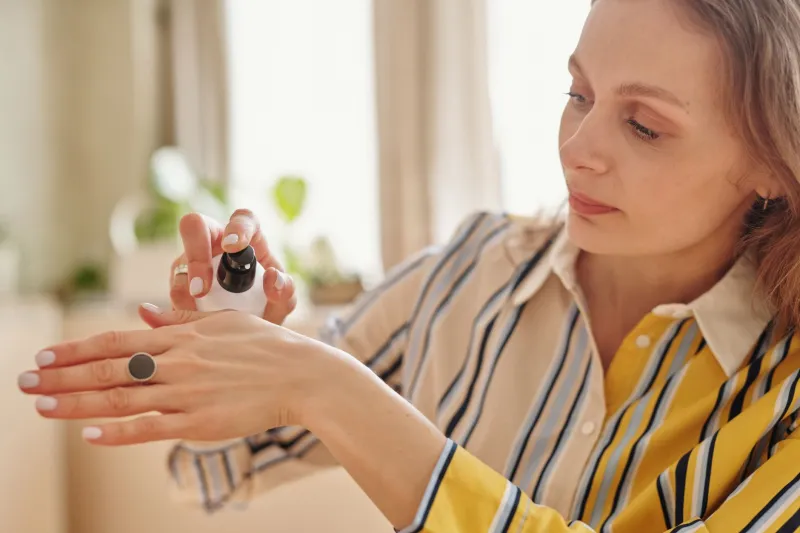
The bathroom counter is no longer the primary theater of the American skincare routine. As consumers apply SPF in parking lots, reapply serums between meetings, and conduct full cleansing rituals in airport lounges, beauty brands are confronting a packaging infrastructure that was never designed for this level of mobility. The brands adapting fastest are discovering that portability is not a feature—it is a brand philosophy.

Designed for Everyone: Why Accessibility-First Packaging Is the Beauty Industry's Most Urgent Innovation Frontier

Designed for Everyone: Why Accessibility-First Packaging Is the Beauty Industry's Most Urgent Innovation Frontier

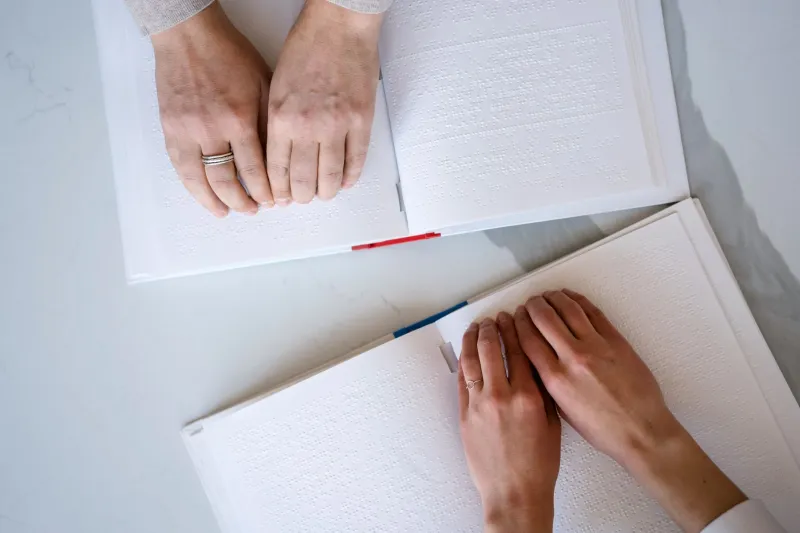
Accessibility in beauty packaging has moved from a niche consideration to a defining brand differentiator—and for good reason. As America's population ages and its cultural diversity expands, forward-thinking brands are discovering that designing for every ability, language, and lived experience is not just an ethical imperative but a powerful driver of consumer loyalty and market expansion.

The Reveal Effect: How Beauty Brands Are Engineering Unboxing Sequences to Convert Buyers Into Loyalists

The Reveal Effect: How Beauty Brands Are Engineering Unboxing Sequences to Convert Buyers Into Loyalists

The moment a customer lifts a lid, peels a seal, or unfolds a tissue layer is no longer incidental — it is a carefully engineered brand event. Forward-thinking beauty companies are mapping the neurological and emotional beats of unboxing to build packaging sequences that drive repeat purchases and organic social amplification. This article examines the psychology behind those moments and the design strategies making them work.

Packaging as Content: The Case for Building Your Beauty Brand's Visual Identity Around the Screen, Not the Shelf

Packaging as Content: The Case for Building Your Beauty Brand's Visual Identity Around the Screen, Not the Shelf

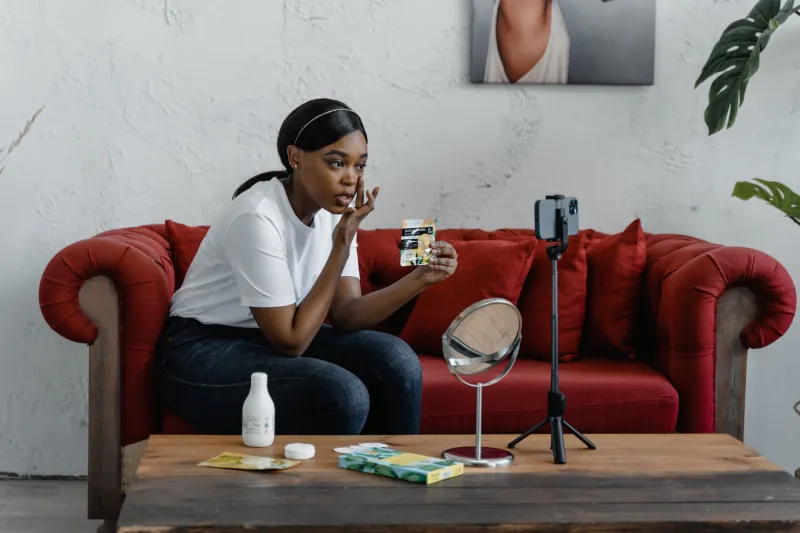
The most consequential design brief a beauty brand will receive in 2026 does not come from a retail buyer — it comes from a smartphone camera. This opinion piece argues that packaging design must now be developed with digital performance as its primary criterion, and that brands failing to make this strategic shift are leaving significant commercial value on the table.